
Every guest who walks into a LifeWorks dining experience makes a judgment before they take a single bite. They smell something that pulls them in. They see a plate that makes them want to sit down. They hear a sound that tells them the food is worth their attention. By the time they eat, the experience has already begun.

Intentional hospitality starts long before a dish is served. A chef-led dining program that thinks carefully about what a guest smells, sees, hears, and feels in the moment of a meal is one that understands dining is not a task. It is an experience , and every detail either adds to it or takes away from it.

Scent Is The Invitation

Smell is the first sense to engage and, for most guests, the most emotionally resonant. The aroma of a thoughtfully prepared dish does not just signal freshness. It creates anticipation. It shifts a guest's state of mind, moving them out of whatever came before and into the present moment of the meal. When a space smells alive with real ingredients and genuine cooking, guests feel it before they can articulate it. That feeling is the beginning of engagement.
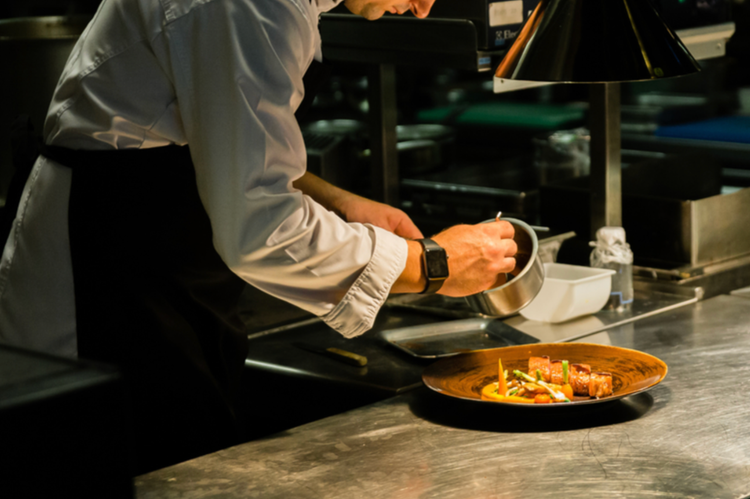
Sight Is The First Course

Presentation shapes perception of flavor. A beautifully composed plate does not merely look good. It changes how the guest expects the food to taste and, in doing so, changes how they experience it. Color, contrast, dishware, the placement of a garnish, these are culinary decisions, and they reflect the same care and intention as the cooking itself. Guests eat with their eyes first, and a kitchen that knows this designs accordingly.

Sound Is The Proof

The sound of food, particularly the texture and crunch of fresh ingredients, communicates quality in ways guests register instinctively. Crunchy, textured food draws guests into the act of eating. It creates presence. It asks for attention and rewards it. In a considered dining room, a meal that demands a moment of focus is a meal that gets one. That is the difference between food that is consumed and food that is remembered.

Touch Closes The Experience

The final layer of a fully realized meal is tactile. The weight of a plate, the feel of a utensil, the ergonomics of a vessel designed for how the guest is eating. These details are easy to overlook and equally easy to feel when they are done well. A hospitality partner who considers touch is a partner who has thought the experience all the way through to the guest's hand.

What This Says About Your Program

Guests choose where to spend their time based on how an experience makes them feel. The quality of that experience shapes whether they come back, whether they tell others, and whether the program earns its place in the workday.

A culinary partner who designs for every sense is communicating that the guest’s full experience is the goal, not just the meal. That philosophy is what separates a chef-led dining program that people talk about from one they simply use.

At LifeWorks, culinary craft and intentional hospitality are inseparable. The details are not finishing touches. They are the work.